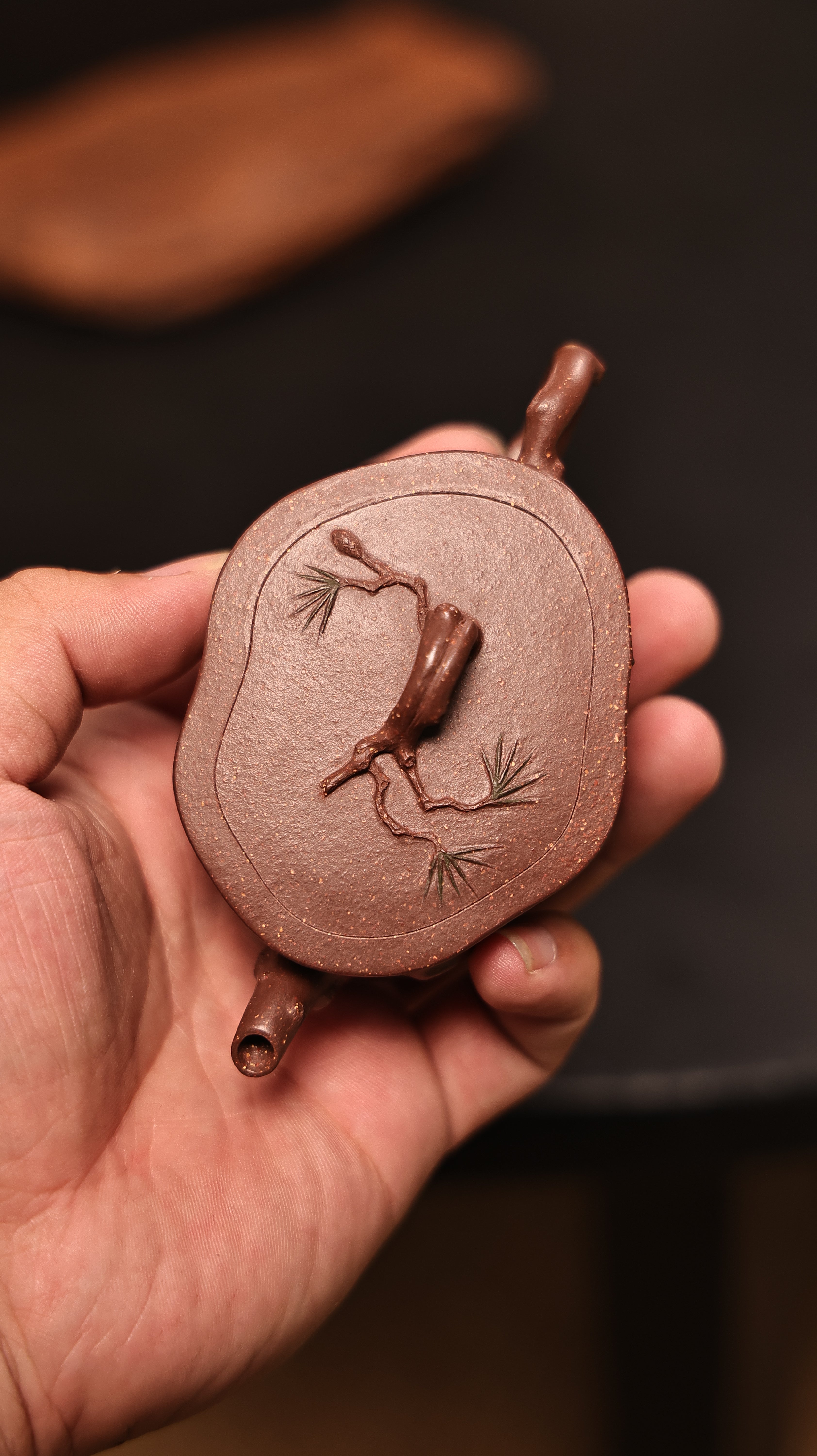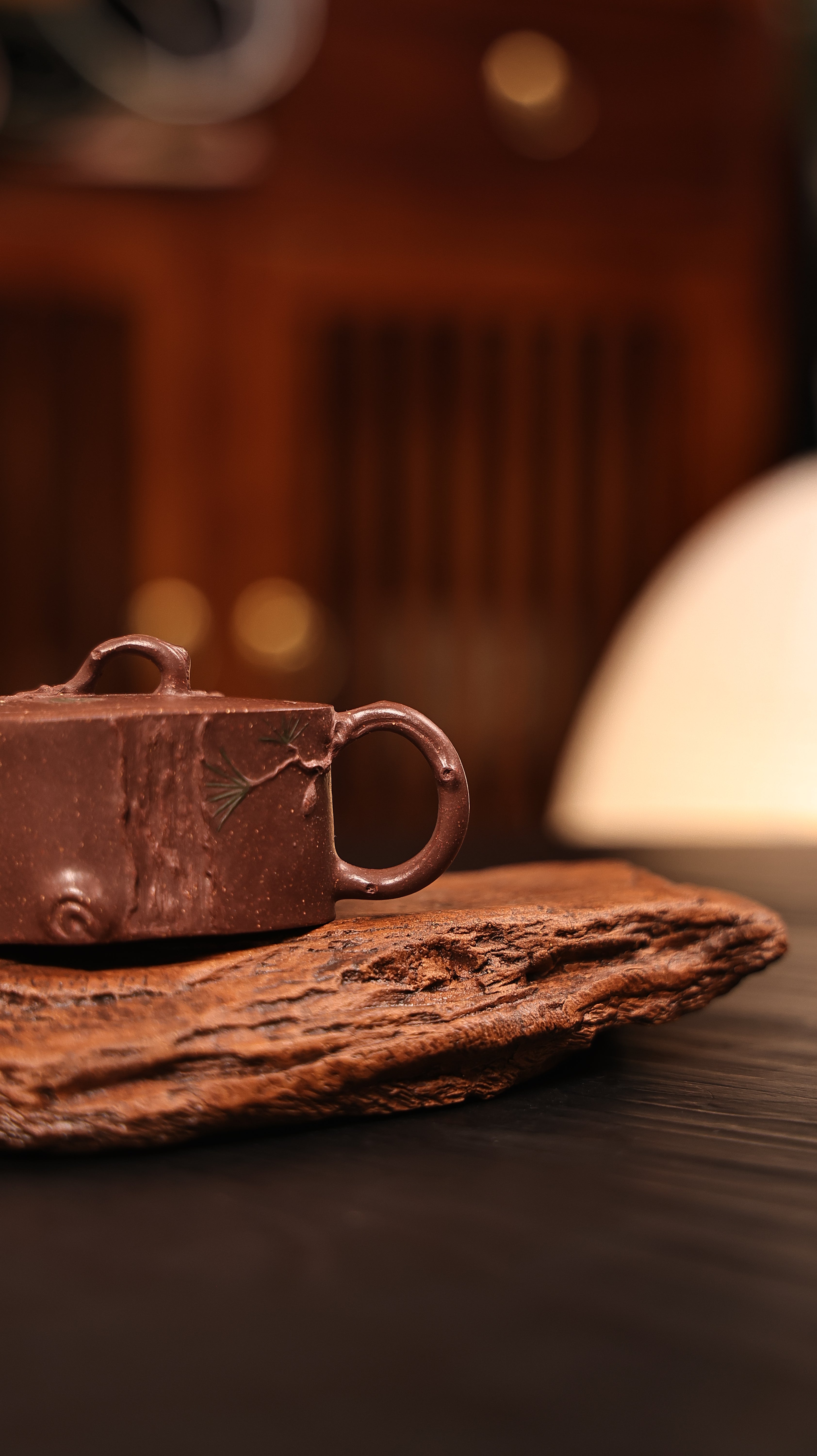
Generations in experts have long valued the unique appeal of Yixing Zisha vessels. Emerging in the quaint town of Yixing, the territory, these jars are constructed from a infrequent and dug purple clay famous for its extraordinary thermal attributes and capacity to enhance the richness of extracts. Outside of their effective importance, Zisha teapots embody a rich legacy roots, resulting them exceptionally collectible and a genuine wonder for any enthusiastic teapot appreciator.
Delving into Yixing Teapots
Classic teapots demonstrate a distinctive fusion of history and expert craftsmanship. Rooted in Yixing, Jiangsu Region of China, their narrative commences in the Ming Dynasty, although signs suggest earlier iterations. The unique plum clay, called Zisha, found uniquely in the Yixing region, is the vital component, contributing to the pots' notable heat preservation and the manner they influence the notes of tea. Periods of potters have polished techniques—often bestowed through families—including shaping the clay, applying exquisite embellishments, and firing the pots at specific temperatures.- Earlier, Yixing teapots were often enhanced with simple designs.
- Subsequently, more refined carvings and symbolic motifs became trendy.
- The heat application itself is a crucial element, requiring extended spans of practice.
Curating Zisha Teapots: Crucial Checkpoints
Launching a quest to obtain Zisha jars can be pleasurable, but it’s fundamental to know what to inspect. Authenticity is paramount; focus on the terrain’s natural color, a earthy reddish-brown is regular. Examine the surface; genuine Zisha has a particular tactile sensation, often described as slightly coarse. The morphology should be aesthetically sound and consistent with antique styles, while labels, if present, require close examination for reliability. Don’t shy away to consult with seasoned specialists or respected references – their perception is immeasurable.
Renowned Vessels: Examining the Practice of renowned Purple Clay
Years have seen Yixing Yixing Clay teapots sustain a exceptional role in Chinese culture. These finely fashioned pots, sourced distinctively from the locale of Yixing, are famous for their unique hue, surface, and their ability to develop the bouquet of potions. Legions of collectors seek antique Yixing teapots, valuing them greatly not only for their aesthetic beauty, but also for the story they reflect.
Yixing Zisha Teapots: The Best Types and Their Characteristics
Yixing Zisha teapots, coming from the Yixing area of Yixing, the People’s Republic, are renowned for their distinctive clay and outstanding brewing capabilities. Amidst the different Zisha types, notable classes that are highly admired include Huiwan. Binzhou, known for its rich purple shade and fine texture, delivers a mild flavor. Duan Ni Zisha, recognizable by its chestnut color and fairly grainy feel, is assumed to enhance the fullness. Lastly, The Zhuni type boasts an peculiar burgundy tone and can deliver a mild nuance. Each type affords a singular experience, enabling them extremely desirable to liquid enthusiasts.
Refining One’s Purple Clay Cup
To realize the essence of your Yixing kettle, appreciating the correct way is vital. These clay pots, celebrated for their passability, will incrementally take on the nature of the tea you infuse within them. Begin by washing the urn thoroughly with boiling water. Then, use only premium unpacked leaf tea, as lower quality options can affect the clay’s delicate notes. Always let the leaves to extend completely, and remember that with each steeping, your Yixing teapot will become gradually cherished.
Conserving Your Priceless Zisha Keepsake
Proper treatment for your Zisha teapot is important to maintaining its durability and worth. Zisha clay, acclaimed for its unique tone and feel, requires precise handling. Never use strong formulas, as these can affect the film. After every session, rinse the pitcher with lukewarm water and Yixing Zisha Teapot allow it to evacuate moisture completely.
- Sidestep soaking the pot for extended periods.
- Regularly use a soft cleanser cloth to dust the exterior.
- Evaluate applying a thin layer of food-grade oil inside the kettle after drying, which can diminish staining.
Essentials of Yixing Kettles
Yixing pitchers, originating from the Yixing zone in Jiangsu Province, inside China, are celebrated for their distinctive attributes. Constructed from the unique purple clay known as Zisha, these kettles are prized by infusion enthusiasts worldwide. This primer will briefly explain the principles – covering forms of Zisha composite, popular shapes, and vital care suggestions. Understanding the roots of Yixing jars can improve your appreciation for this esteemed example of Far Eastern civilization.
Fabrication of Yuan Vessels: Spotlighting Zisha native to the Yixing territory
Zisha clay from the Yixing region represents the maximal point of Han kettle design, undergoing a exceptional concoction of natural beauty and practical artistry. These remarkable pieces are famed for their vibrant shades, often covering robust purples and chestnut hues to light greys and gentle beiges. The unique mineral composition of the exclusive Zisha bedrock imparts a distinctive texture and furnishes a pleasant aroma that increases the whole drink experience, resulting in them greatly coveted collectibles and critical components of any serious infusion.